
In this guide
Separate the vehicle and instrument records
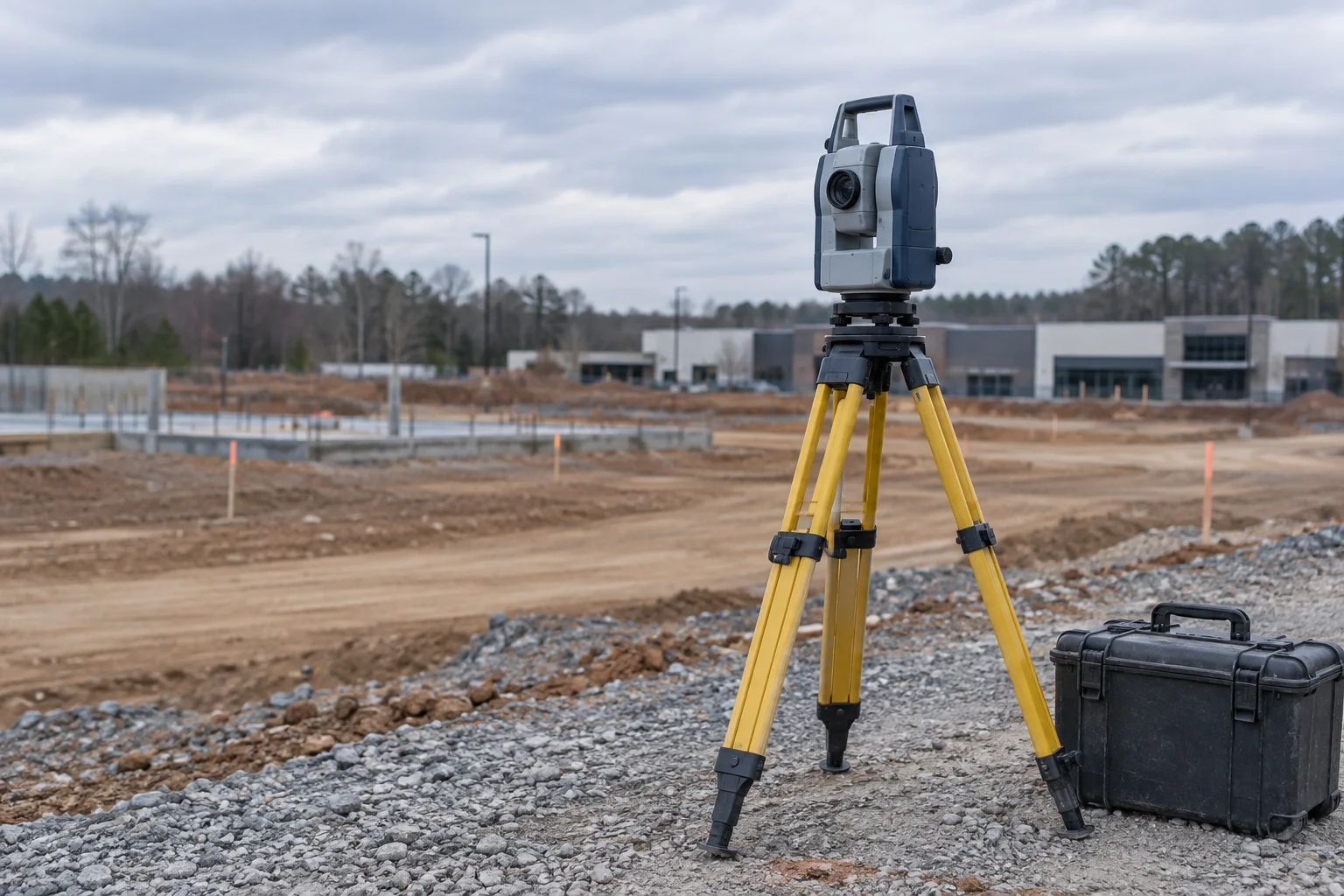
A vehicle’s route can help explain where a crew traveled, but it does not prove that an instrument remained inside. Decide whether the priority is service vehicles, equipment cases, or both. Keep the dashboard names specific enough that someone unfamiliar with the setup will understand what a marker represents.
Check cases and mounting
A protective case must still close correctly and protect the instrument. Do not drill, obstruct seals, or attach hardware to sensitive equipment without confirming the appropriate method. Test reporting with the case and vehicle in their normal working configuration.
Make handoffs visible
Record which crew takes an asset, the assigned job, and when it is returned. Tracking adds a reported location to that process; it does not replace an equipment checkout record. A simple assignment sheet can prevent confusion when a case moves between trucks.
A Georgia relationship
SmartCore has served the tracked operation originally associated with Donaldson, Garrett & Associates in Macon. That business joined SAM in 2026. The relationship described here concerns that existing operation and does not imply that SmartCore provides tracking across SAM. Read the customer story for the context, then discuss your own equipment and reporting needs.
PUT IT TO WORK
Your planning checklist
- Decide whether to track vehicles, cases, or individual assets.
- Confirm a non-disruptive mounting method.
- Record crew handoffs.
- Test with the equipment packed as it normally travels.
Read the related customer story
Further reading
Planning archive: December 2024 topic. Written and first published September 26, 2026 as part of a retrospective collection, not published in December 2024. About the library.