
In this guide
Choose a representative sample
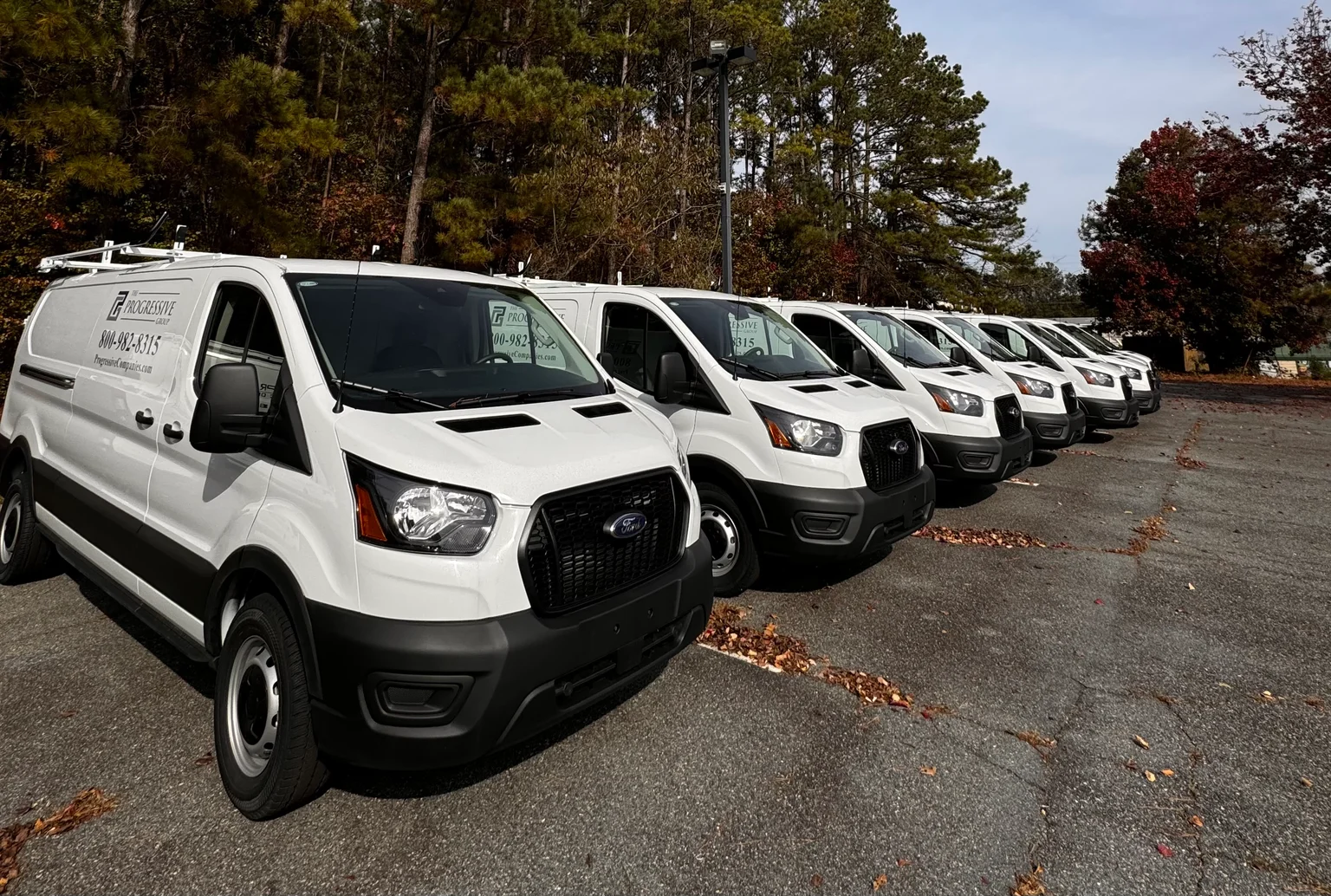
Include a vehicle with regular stops, one that travels farther, and an asset that spends time parked if those patterns exist in your business. Avoid choosing only the easiest vehicle. The aim is to learn whether the setup works under the conditions your team actually faces.
Define success before installation
Write down what the pilot should help you do: find a reported location, review a completed route, identify an extended stop, or notice missing reports. Set expectations for update frequency and coverage with the provider. Do not measure a battery asset tracker against an assumed second-by-second feed.
Keep a simple comparison log
For a few ordinary trips, note departure, arrival, and any known coverage gaps. Compare those notes with the dashboard. Investigate differences in mounting, reporting cadence, and time settings before deciding that an entire product is unsuitable. Ask the dispatcher which view they actually used.
Decide what changes next
At the end, record settings to keep, settings to change, installation lessons, and the person responsible for support. A pilot can also show that a different device type is needed for one asset group. Expand only after those differences are understood; uniform hardware is not the same as a well-matched setup.
PUT IT TO WORK
Your planning checklist
- Pick representative work patterns.
- Agree the question and reporting expectations.
- Record a few known trips for comparison.
- Review findings with both the office and field team.
Planning archive: January 2024 topic. Written and first published September 26, 2026 as part of a retrospective collection, not published in January 2024. About the library.